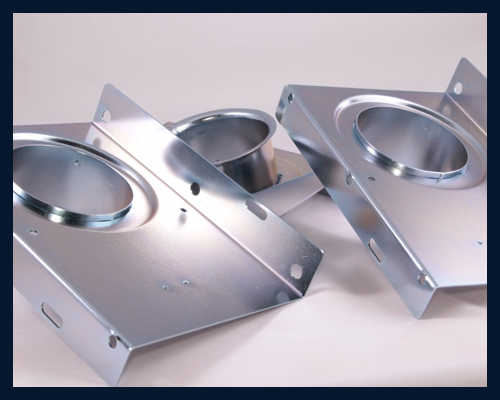
Benefits of Tin Plating
Tin plating is a lower cost alternative than some
protective coatings. Tin also has a good level of conductivity enhancement
properties (as opposed to silver which has higher conductivity) which may be
of benefit to manufacturers seeking to enhance this property somewhat
without adding too much to the price.
Tin offers excellent solderability
Tin can cover a wide range of shapes
and components
Tin provides corrosion resistance
Design Cautions
As this is
an electrolytic process it is necessary to use jigging, racking or wiring to
provide for electrical current conductivity. Some shapes lend themselves
more easily to this than others. In some cases the addition of a sprue or
hole is necessary. Please consult your plating adviser prior to finalising
design if you intend to use this finishing process.
Colour & Aesthetics
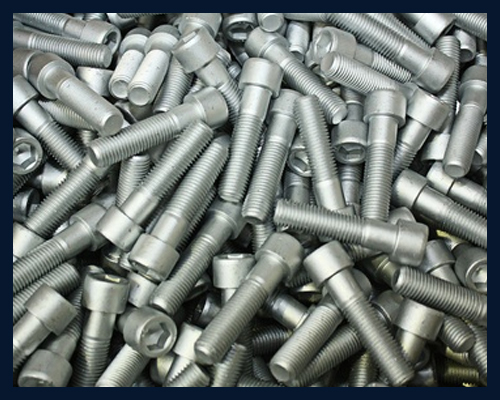
Tin
plating has a 'whitish grey' hue and is usuallyapplied without the layer of
bright nickel used in decorative coatings - as such tin has a dull, or matt
appearance.
Applications
Examples
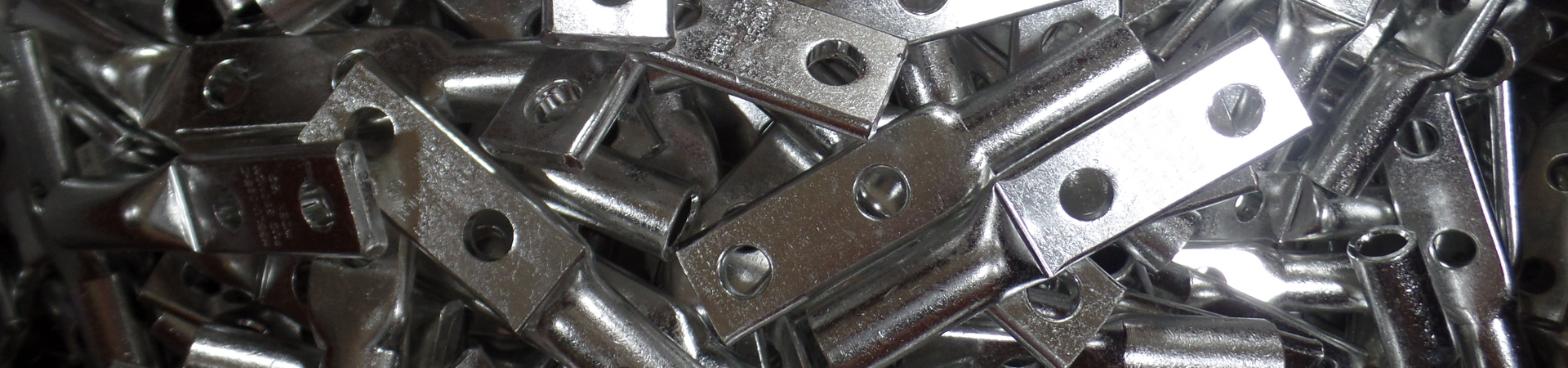
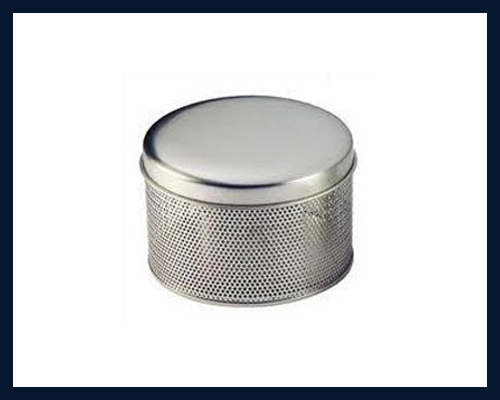
include: electronic components such as electronic connectors or bus bars,
commercial cooking equipment and jewellery.
Substrates suited to this coating
Tin can be
plated over most metal substrates but commonly is used on lower value
substrates such as mild steel or copper alloys.